How Do I Report AI Visibility to Leadership Without Sounding Hand-Wavy?
In 2024, AI’s impact on search and content visibility is no longer hypothetical — it’s a fast-evolving reality that marketing and SEO teams must measure and report accurately. Yet, explaining AI visibility metrics to leadership without coming across as vague or “hand-wavy” remains a challenge, especially when executive teams expect quantifiable results akin to traditional SEO rank tracking.
If you’re navigating tools like Semrush, Otterly.ai, and AthenaHQ, integrating large language model-powered engines like ChatGPT or AI-powered search engines such as Perplexity, and juggling pricing transparency or prompt limits, this guide will equip you with a pragmatic framework and talking points.
Why AI Visibility is Not SEO Rank Tracking (and Why That Matters)
First, let’s get clear on what AI visibility is and how it differs decisively from traditional SEO rank tracking:
- SEO Rank Tracking: Measures where your website ranks on predefined keywords in conventional search engines (e.g., Google, Bing).
- AI Visibility: Measures your brand’s presence or “share of voice” in AI-driven discovery platforms, LLM (Large Language Model) outputs, chatbot results, and AI summarization tools — areas where traditional keyword positions are irrelevant or nonexistent.
Leadership often understands SEO rank tables and keyword rankings but is less familiar with AI-specific metrics such as citation frequency in chatbot answers, sentiment signals in AI-generated content, or prompt interaction volumes. The risk? Your AI reporting could sound speculative if it lacks clear, data-driven visuals or contextual benchmarks.
Key Elements for Credible AI Visibility Reporting
To avoid hand-waviness, your AI visibility reports should always include these components:
- Engine Coverage & Add-ons Transparency: Identify which AI engines and LLMs are being tracked. Is your solution monitoring only ChatGPT, or also Perplexity, Bing AI, Anthropic, etc.? Tools vary on this, and since AI landscape shifts rapidly, leadership wants to know your “coverage map.”
- Pricing Transparency and Prompt Limits: Avoid citing tools with ambiguous “contact sales” pricing. Semrush’s AI Visibility Toolkit, for example, has a clear starting point at $139/month, which helps set realistic budget expectations. Equally critical—mention if there are prompt or daily query caps, which can constrain insights.
- Prompt Tracking and Daily Monitoring: Visibility metrics are not “set it and forget it.” Daily or weekly monitoring of AI prompt engagement—not just snapshots—ensures sustained leadership insight into trends.
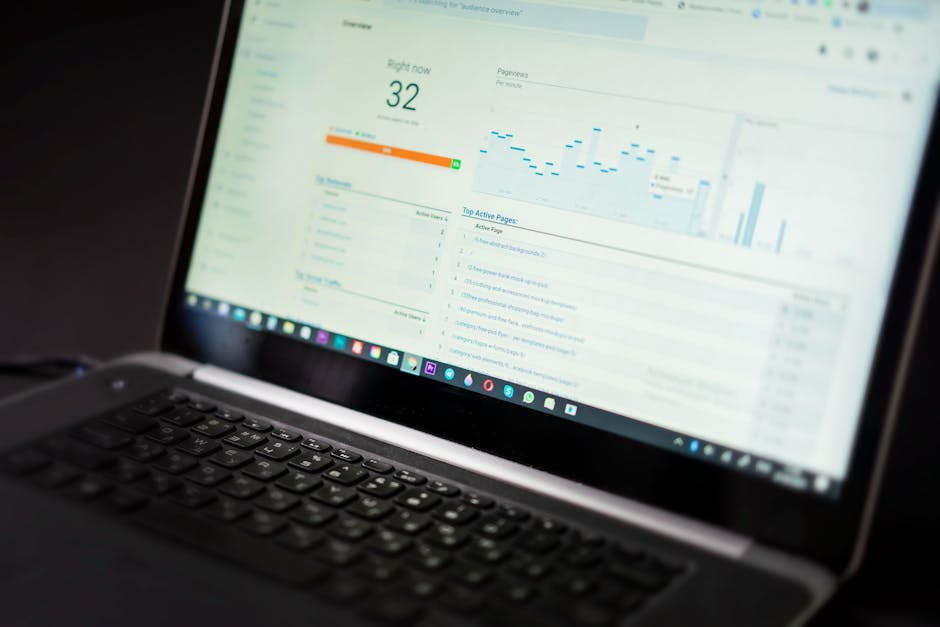
- Actionable Metrics in Accessible Formats: Beyond raw data, provide share of voice charts, sentiment metrics, and citation frequency that tie back to your brand. Turn the dashboard findings into concrete business actions like content adjustments or targeted prompt engineering.
Tools That Help Bridge the Reporting Gap
Let’s look at how Semrush, Otterly.ai, and AthenaHQ fit into AI visibility and reporting, keeping our key elements and themes in mind:
Semrush AI Visibility Toolkit
Semrush, a long-standing leader in SEO tools, now offers an AI Visibility Toolkit starting at $139 per month. This is a rare example of transparent pricing for a mid-market SaaS solution focused on AI-specific metrics.
- Engine Coverage: Semrush tracks multiple AI engines but explicitly delineates support for ChatGPT and Perplexity. It also flags limitations clearly.
- Prompt Limits: The toolkit documents query caps per subscription tier, avoiding “surprise limits” mid-month, which is gold when you report on tool reliability.
- Dashboard: Semrush’s dashboard offers visual share of voice charts incorporating AI citations alongside traditional SEO visibility. This hybrid view helps leadership grasp AI standing in context.
- Sentiment & Citation Metrics: The tool tracks brand mentions across AI outputs and sentiment, providing a richer narrative for marketing stakeholders.
If you are already a Semrush customer, adding this toolkit slips nicely into your existing workflow without learning a new interface.
Otterly.ai
Otterly.ai specializes in AI content interaction monitoring, https://stateofseo.com/athenahq-self-serve-pricing-what-do-3500-monthly-credits-mean/ offering a pulse on how AI outputs reference your brand or products across multiple AI platforms.
- Engine Mix: Otterly uniquely integrates chatbot output sources and AI content summarizers, aggregating data which is often siloed elsewhere.
- Pricing: They offer published pricing tiers, though higher tiers unlock deeper prompt tracking capabilities and sentiment analysis add-ons.
- Prompt Tracking: Otterly’s strength is in detailed prompt-level analytics, essential for teams experimenting with prompt engineering and content alignment.
While Otterly may require a slight adjustment to your existing reporting cadence, its granular prompt insights can elevate AI visibility reports from a vague “buzz” to actionable, data-driven storytelling.
AthenaHQ
AthenaHQ provides a comprehensive AI assistant monitoring dashboard, combining AI output tracking with user engagement metrics.
- Engine Coverage: Athena supports multiple AI assistants and tracking across voice-activated and chat-based AI platforms.
- Dashboard Focus: The tool emphasizes transforming insights into recommended responses or content optimizations, helping reduce vague interpretations.
- Pricing and Limits: More enterprise-focused, AthenaHQ’s pricing is quote-based, which may require upfront communication with leadership about potential investment levels.
AthenaHQ works best when you have executive buy-in for an advanced monitoring tool integrating into agile response workflows.
Building Trust with Leadership: Sample Report Structure
Now that you have tools and context, here’s a sample AI visibility report outline to present confidently:
- Executive Summary: Begin with a crisp overview of AI visibility trends this month: “Our share of voice in AI chatbot results increased 12%, with positive sentiment up 8 points.”
- Engine Coverage Breakdown: Include a table depicting coverage by engine and any gaps to watch:
- Share of Voice and Citation Metrics: Show line charts comparing your brand’s citation frequency against competitors over time.
- Sentiment Analysis: Present a sentiment trend graph highlighting improvements or risks.
- Action Items: Translate data into next steps, e.g., “Optimize prompt phrasing to increase presence on Perplexity,” or “Request budget to expand AthenaHQ to cover additional engines.”
Pragmatic Tips to Avoid “Hand-Wavy” AI Reporting
- Stick to published pricing and features: If you must mention tools with “contact sales” pricing, be transparent about uncertainties.
- Clarify engine support upfront: Don’t lump all AI sources into a generic “AI visibility” metric without specifying which engines are feeding that data.
- Highlight prompt and rate limit constraints: Explain how query caps affect report freshness and comprehensiveness.
- Use visualization not just data dumps: Share of voice charts, sentiment timelines, and citation heatmaps translate complex AI results into digestible insights.
- Integrate AI visibility into existing SEO workflows: For example, combining Semrush’s AI Visibility Toolkit with your current Google rankings report creates a cohesive digital performance story.
Conclusion
Reporting AI visibility to leadership is not just about showing off the latest AI buzzwords or demos. It’s about delivering clear, transparent, and actionable insights that align with business objectives. By carefully selecting tools like Semrush’s priced, transparent AI Visibility Visit this site Toolkit, Otterly.ai’s detailed prompt tracking, or AthenaHQ’s proactive dashboard, you can build credible narratives supported by solid data.
Always remember: leadership craves clarity, context, and confidence — give them AI visibility reports built on transparent engine coverage, prompt limits, and meaningful metrics like share of voice charts and sentiment trends. That’s the best way to keep AI visibility from sounding hand-wavy and instead position it as a core pillar of your marketing intelligence.
