How Do I Plan My Shoot So Dubbing Works Later?
Dubbing is easiest to fix before the camera rolls. A clean edit, clear dialogue, and room for translated lines give your future dubbing team more options. A rushed shoot can leave them trying to translate over music, match a sentence to a shot that is too short, or make a translated line fit a speaker’s mouth at all costs.
Planning for dubbing does not mean making every video sound as if it were originally recorded in another language. It means capturing the material and making editorial choices that let a native speaker deliver the meaning naturally. That is especially important if you plan to publish translated audio on YouTube and judge its success by whether viewers keep watching—not just whether they click.
This guide covers production for dubbing: how to assess the opportunity, choose formats that travel well, capture clean dialogue, leave edit breathing room, and prepare for common technical failures.
Start with the audience, not the language list
For many creators, dubbing offers a way to reach viewers outside an English-speaking audience. But “more potential viewers” is not the same as “more views.” A language market may be large and still be a poor fit for your topic, publishing capacity, or competition. The useful question is whether viewers who speak that language are likely to want this particular video.
On YouTube, start with your channel’s own evidence: where viewers are watching from, which videos attract sustained interest, and what people ask for in comments. Compare that with the subject matter and the local viewing context. A practical tutorial with clear steps may travel well; a video built around regional jokes or references may need substantial adaptation. Research the search terms and competing videos in the target language, too. English competition may be intense, but translated videos will still emailtr.influencermarketinghub.com compete with local creators who understand the language and audience deeply.
Test one or two suitable videos before building an elaborate multilingual workflow. Look at the retention graph in each language. Do viewers stay through the opening? Do they drop off during a translated explanation, a joke, or a section with unfamiliar examples? Compare the translated audience’s retention with the source video’s pattern, while remembering that audience mix, traffic source, and packaging can differ. Views alone will not tell you whether the dub is working.
Choose formats that can survive translation
Some formats are easier to dub because their value is carried mainly by the information, not by the exact voice performance. Others depend on timing, personality, or a connection between the creator’s visible expression and speech. Neither kind is automatically unsuitable—but they require different planning.
Format Why it may travel—or struggle Production adjustment How-to, explainer, product walkthrough Steps and demonstrations can remain clear when the wording is adapted carefully. Give each step visual support. Avoid putting essential instructions only in on-screen text. Interview or guest conversation Natural overlap, interruptions, and distinct speaker voices can complicate translation and editing. Record separate microphones, identify speakers, and get explicit permission for translated voice use. Comedy, reaction, personality-led vlog Humor, timing, and the creator’s vocal identity may carry as much meaning as the words. Allow local adaptation and consider whether a human dubber or subtitles preserve the intended connection better. Fast-paced montage or music-led video Short cuts and dense sound design can leave little space for translated lines. Hold useful visuals longer and keep dialogue separate from music and effects where possible.Informational content is often a sensible place to test because the visuals can carry part of the message. Personality-led content can also work, but it deserves a more careful decision about voice, performance, and audience expectations. AI dubbing is not a growth hack that removes those choices.
Build a dubbing-friendly script and shot plan
Write for meaning first, then leave room for the translated version to express that meaning naturally. Literal translations can be longer or shorter than the original, and sentence structure varies by language. A line that fits a three-second shot in English may need more time in another language.
Keep the spoken language clear
- Use concrete wording when the topic allows it. Explain acronyms, product names, and niche terms before relying on them.
- Mark pronunciations of names, brands, and specialist vocabulary in your script or production notes.
- Separate essential information from optional asides. An editor can shorten an aside more safely than a key instruction.
- Avoid stacking several claims into one breath. Short, complete thoughts are easier to translate, record, and edit.
- Keep jokes, idioms, and wordplay flagged for the translator. They may need a local equivalent rather than a word-for-word version.
Leave edit breathing room
Edit breathing room is time and visual space that lets a translated line fit without forcing an unnatural delivery. Hold a useful shot for a beat after an important point. Avoid cutting away at the exact moment a sentence ends, and do not make every spoken phrase depend on a fast sequence of close-ups. These small choices give the editor options if a translated line runs longer.
When the speaker is on camera, a dub may not match every mouth movement. Dubbing and lip sync are not the same thing: dubbing replaces or adds spoken audio in another language, while lip sync refers to aligning visible mouth movement with that audio. Some workflows may offer lip-sync features, but they are not a guarantee of perfect alignment or a substitute for good editing. If exact visual matching matters, plan shots accordingly—use voiceover, cutaways, screen recordings, or demonstrations where they suit the story.
Capture clean dialogue on set
Clean dialogue capture gives a dubbing workflow the best chance of producing intelligible source audio and a useful timing reference. It does not require a silent, sterile performance. It does require consistent recording habits.

- Record isolated microphones. Give each speaker a dedicated mic track when possible. A lavalier and a boom can provide useful alternatives, but monitor for clothing rub, room echo, and handling noise.
- Monitor with headphones. Check levels and listen for HVAC, traffic, clipping, wireless dropouts, and other problems that can be hard to notice on set.
- Keep mic position consistent. Large changes in distance or angle can make a speaker’s tone vary from line to line.
- Record room tone. Capture a short stretch of the location with everyone quiet. It can help the editor smooth cuts in the original mix.
- Record pickups cleanly. If a line needs repeating, use the same mic setup and delivery. Note the take and keep the original, too.
- Protect dialogue from the mix. Record music and sound effects on separate tracks where feasible. Do not rely on a finished stereo mix as the only source for speech.
Keep a copy of the source dialogue, music, effects, and final mix as separate assets. A dubbing service may be able to process a finished video, but separate files usually give the production team more control over balance and timing. Confirm the service’s current input and export requirements before shooting or handing off a project; features and supported workflows can change.
Prepare a handoff that people can actually use
Good production notes prevent avoidable guesswork. Include the final script, speaker names, pronunciation notes, a list of on-screen text, and timecodes for sections that are locked or especially sensitive. If a term should remain in English, say so. If a phrase can be adapted freely, say that as well.
For example, ElevenLabs Dubbing Studio can be part of an AI dubbing pipeline for creating translated audio from video or other source material. Treat it as a tool in a process, not as the process itself. Check the current documentation for supported languages, file requirements, and available controls before committing a delivery plan. Then review the output with a qualified native speaker—especially for medical, financial, legal, safety, or other sensitive content.
AI systems can save time on tasks such as producing a first translated dub, but the output still needs editorial judgment. Listen for meaning, names, numbers, emphasis, pronunciation, pacing, and whether the performance sounds appropriate for the speaker and subject. Prosody—the rhythm, stress, intonation, and emotional shape of speech—can make a technically clear dub feel wrong. A line may pronounce every word correctly yet sound flat, overexcited, or misleading because its emphasis has shifted.
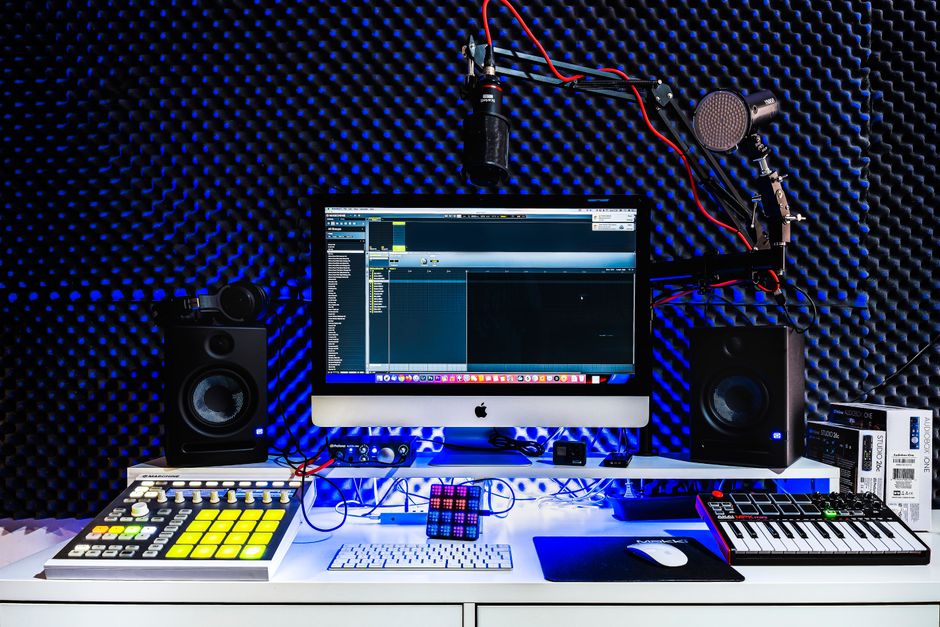
Plan for predictable failure modes
- Overlapping dialogue: People talking over each other can be difficult to translate and mix clearly. Record separate tracks and avoid unnecessary overlap in the edit.
- Music under every line: A dense music bed can interfere with speech separation or leave little flexibility for the new voice. Keep stems and plan where the music can dip.
- Fast cuts: A short shot may not provide enough time for a translated sentence. Capture alternate angles and extra visual coverage.
- On-screen text that only exists in one language: A dub does not automatically translate graphics, labels, or charts. Track these elements for localization and keep editable project files.
- Names and technical terms: Automated pronunciation may be off. Supply a glossary, phonetic guidance, or a recorded reference.
- Emotion that does not fit: A synthetic or dubbed voice can misread sarcasm, grief, urgency, or warmth. Review the performance in context and adjust or re-record where needed.
- Unclear rights and consent: Get permission before using a guest’s voice, likeness, or performance in translated audio or voice-cloning workflows. Spell out intended uses, platforms, languages, and any relevant limits. Do not assume that appearing in a video equals consent to every form of voice reproduction.
Publish as a channel strategy, then learn from retention
Before publishing, decide how the translated version will appear on YouTube. Depending on the channel’s available features and the platform’s current options, you may be able to add language-specific audio tracks or use another supported publishing approach. Verify the current setup rather than assuming every account or video has identical features. Localize titles, descriptions, captions, and graphics where appropriate; translated audio alone does not make a video easy to discover.
Choose a test video with a clear audience promise and a format that suits dubbing. Keep a record of the original’s opening, pacing, and retention pattern. After publishing, check whether the translated audience gets through the first seconds, where the biggest dips occur, and whether viewers stay for the payoff. Compare relevant traffic sources and audience behavior, not just total views. If retention falls at a particular explanation, check whether the translation, voice performance, visual timing, or unfamiliar example caused friction.
Then make one informed adjustment at a time. You might revise the opening, allow more time for a translated line, change a term in the glossary, or choose a less personality-dependent video for the next test. Ask a native speaker to review the parts where the graph changes, too. Analytics can show where viewers leave; they cannot tell you exactly why.
A practical pre-shoot checklist
- Confirm there is evidence of audience interest in the target language, and review the local competition.
- Choose a format whose value can survive translation—or plan for the added work a personality-led format needs.
- Write clear, adaptable lines and flag names, jokes, and sensitive claims.
- Build in edit breathing room through longer holds, cutaways, and flexible coverage.
- Capture clean dialogue on isolated tracks and preserve music and effects separately.
- Prepare scripts, timecodes, pronunciation notes, and explicit guest permissions for the intended use.
- Review the dub with a native speaker, publish thoughtfully, and measure retention before scaling up.
The best production for dubbing is not a special effect applied after the fact. It is a set of choices that keeps meaning, performance, and editing flexible. Make those choices on the shoot, and the dubbing team has room to create a version that sounds natural—not merely a translation that fits the timeline.